Why Does Concrete Crack in WA? Causes & How to Prevent It

September 28, 2026
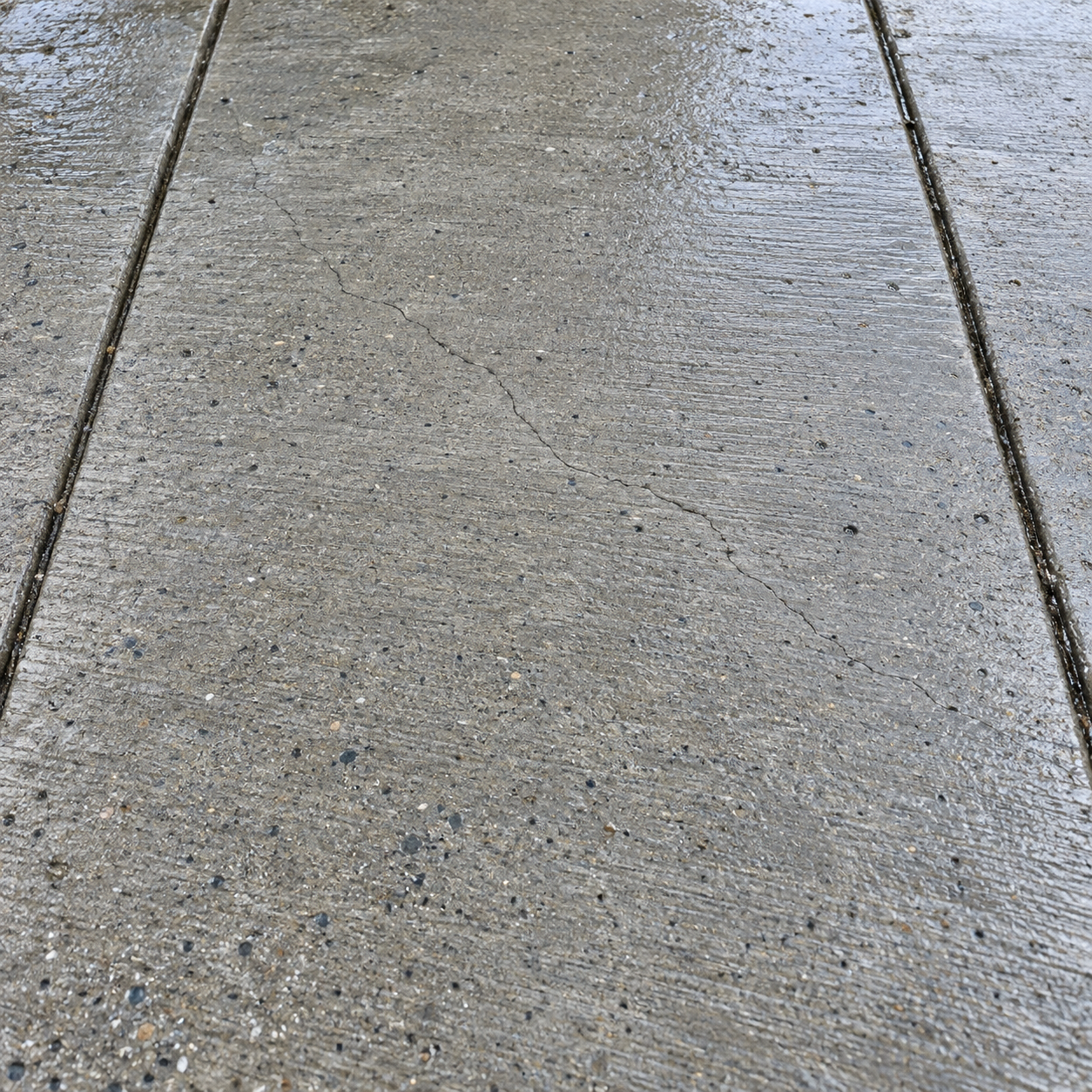
Shrinkage crack in a concrete slab next to a control joint

If you own concrete in Silverdale, Washington, a crack in your driveway or patio can be unsettling. You paid for a surface you expected to last, so a line running across it can feel like something went wrong. But not every crack means the slab is failing. A narrow, stable crack may be mostly cosmetic, while one that keeps widening, develops uneven edges, or collects water deserves a closer look.


Silverdale’s wet weather makes drainage an important part of the picture. Rainwater should flow away from concrete instead of pooling along its edges or reaching the soil beneath it. If the base was poorly prepared or loses support over time, the slab may shift and crack. Control joint placement, curing, nearby roots, and heavy loads can also affect where cracks form. That is why two driveways on the same street may age differently.


Concrete is strong under compression but weaker under tension. It shrinks as it cures, and the ground beneath it can move, so a good installation plans for that movement. A stable base, properly placed control joints, and effective drainage help reduce avoidable cracking. Below, we’ll explain the common causes of cracks in Kitsap County, the signs that warrant attention, and the steps that help concrete hold up over time.

The Main Causes of Concrete Cracking


Most cracking traces back to what happened before and during the pour, not to bad luck afterward. A few causes come up again and again on job sites across the area.


Poor Subgrade and Base Preparation


The ground under a slab carries all of its weight, and our wet soil makes that ground unpredictable. Saturated earth swells and shrinks with the seasons, and a base that was not excavated and compacted properly lets the slab settle unevenly and crack. This is the single most common cause of serious cracking in the region.


A well-built base solves most of this before any concrete is poured. It needs the right excavation depth, a compacted gravel layer for drainage, and grading that moves water away. Our breakdown of the concrete driveway installation process in Silverdale WA shows how that groundwork fits into a project.


Shrinkage as Concrete Cures


Fresh concrete holds a lot of water, and as that water leaves during curing, the material shrinks slightly. That shrinkage creates tension, and tension pulls a slab apart into thin cracks. When the surface dries too fast on a windy or warm day, cracks can form within the first hours, before the slab has set.


This kind of cracking is largely controlled by technique. Crews manage it with a balanced water-to-cement ratio, proper finishing, and steady curing that lets the slab lose moisture slowly. Reinforcement and jointing then decide where any remaining shrinkage shows up.


Water, Drainage, and Freeze-Thaw


Water is the defining challenge for concrete in the Pacific Northwest. Our winters are wet rather than deeply frozen, but the region still sees freezing nights, and that combination is hard on concrete. Water works into any small crack, then expands as it freezes, widening the gap with each cycle.


Poor drainage makes this worse by letting water pool under the slab. Requirements around drainage and impervious surfaces are set locally by the Kitsap County Department of Community Development. Getting water off the site is half the battle against cracking.


Missing or Poorly Placed Control Joints


Since concrete shrinks no matter what, the goal is to control where it cracks. Control joints are grooves cut into a slab to create a planned weak line, so shrinkage cracks form inside the joint instead of wandering across the surface. A slab poured without them, or with them spaced too far apart, is far more likely to crack in random places.


Correct jointing is a matter of spacing, depth, and timing, and the standards behind it come from bodies like the American Concrete Institute. Cut at the right intervals for the slab thickness, most shrinkage disappears into lines you barely notice.

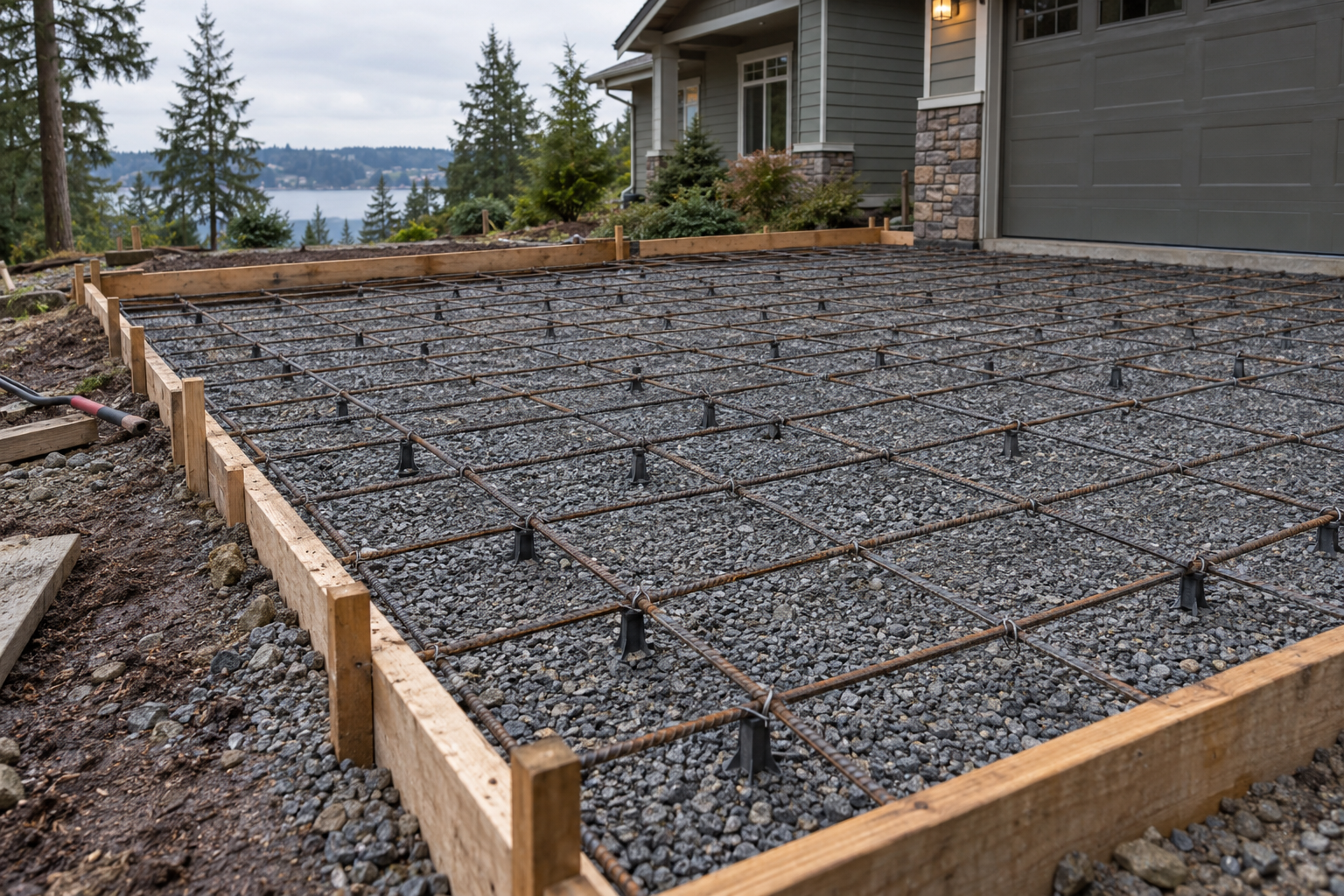
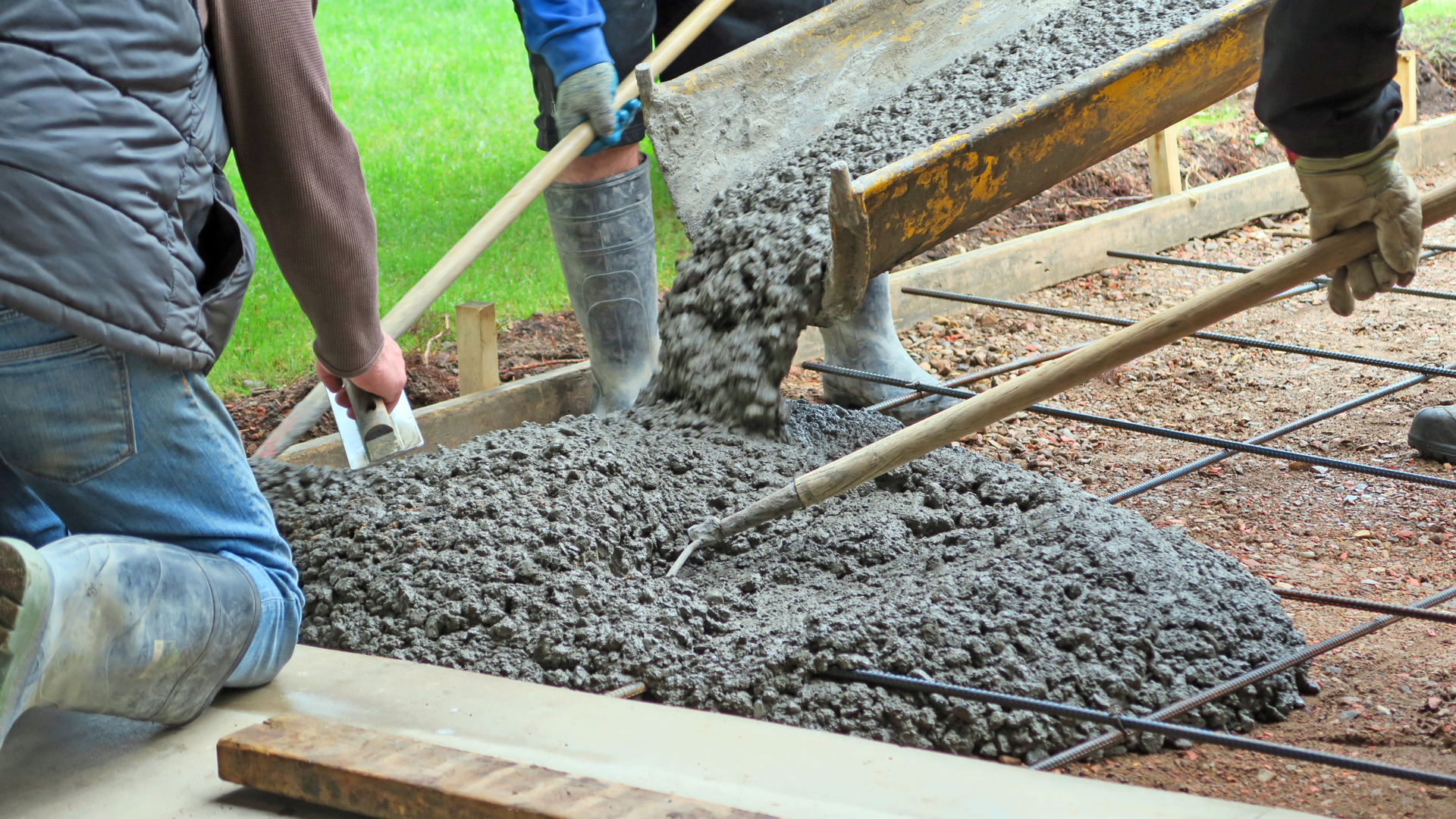
Compacted gravel base with rebar reinforcement to prevent concrete cracking in Kitsap County

How to Prevent Concrete Cracks


The causes above point straight to their solutions. Prevention is not a secret product; it is doing each stage correctly, which is where an experienced local crew earns its keep.


  1. Prepare the base properly. Excavate to the right depth, compact a gravel base, and grade for drainage so the slab sits on stable, well-draining ground.
  2. Reinforce the slab. Rebar or wire mesh holds the concrete together and keeps any cracks tight rather than letting them spread.
  3. Pour to the right thickness. A slab built to the correct depth for its use resists cracking under load, as covered in our guide to the recommended concrete driveway thickness for Silverdale homes.
  4. Cut control joints correctly. Proper spacing and depth give shrinkage a planned place to go.
  5. Cure it slowly. Protecting the surface from drying too fast in its first days builds strength and limits early cracks.
  6. Manage water long term. Good drainage and periodic sealing keep moisture out and slow freeze-thaw wear.

When a Crack Signals a Bigger Problem


Not all cracks deserve the same response, and knowing the difference saves money. Thin, stable hairline cracks are usually cosmetic and easy to seal. The ones worth a closer look tend to get worse over time.


Warning Signs Worth a Professional Look


Some cracks point to a base or drainage failure underneath, and a surface patch will not hold if the ground is still moving. Catching them early is the difference between a manageable fix and a full replacement, so call a professional when you notice any of these:


  • Cracks wider than about a quarter inch.
  • Cracks where one side has lifted higher than the other.
  • Gaps that keep growing month to month.
  • Cracks paired with pooling water or a slab that feels uneven underfoot.

Frequently Asked Questions


A few questions come up often once homeowners look closely at their concrete. These cover situations not addressed above.

  • Should I expect a brand-new driveway to crack?

    Some fine surface lines are normal even on a well-built new slab, and they do not mean the work was done poorly. What you should not see is a wide gap, an uneven crack, or a break that keeps opening in the first year. If that shows up, have your contractor look, since it usually points to the base.

  • Can I fill a concrete crack myself?

    For a thin, stable hairline crack, a quality filler or sealant from a hardware store is a reasonable DIY job. The catch is that filler only addresses the surface, so a crack from a moving base will reopen. When a crack is wide, uneven, or spreading, a patch is a temporary cover, not a real fix.

  • Does stamped or colored concrete crack more than plain concrete?

    Decorative finishes crack for the same reasons plain concrete does, so the base and jointing matter just as much. The difference is mostly visual, since a crack shows more against a pattern or color. Good base prep keeps decorative surfaces looking clean for years.

Build It Right From the Ground Up


Cracking is rarely about the concrete itself. It comes down to the base, the water, the reinforcement, and the finishing, all within a good contractor's control. A slab built on a compacted base, reinforced correctly, jointed on schedule, and cured with care holds up for decades here. A rushed one starts failing within a few years.


That is why local experience matters, since a crew that knows Kitsap soil and drainage builds for the conditions your property has. If you are planning a new project or replacing a slab that has started to fail, our concrete driveway installation and repair team can assess your site and build it to last. Reach out to Pacific Roots Concrete for a free estimate and a straight answer on what your project needs.

REQUEST A FREE ESTIMATE CALL US NOW
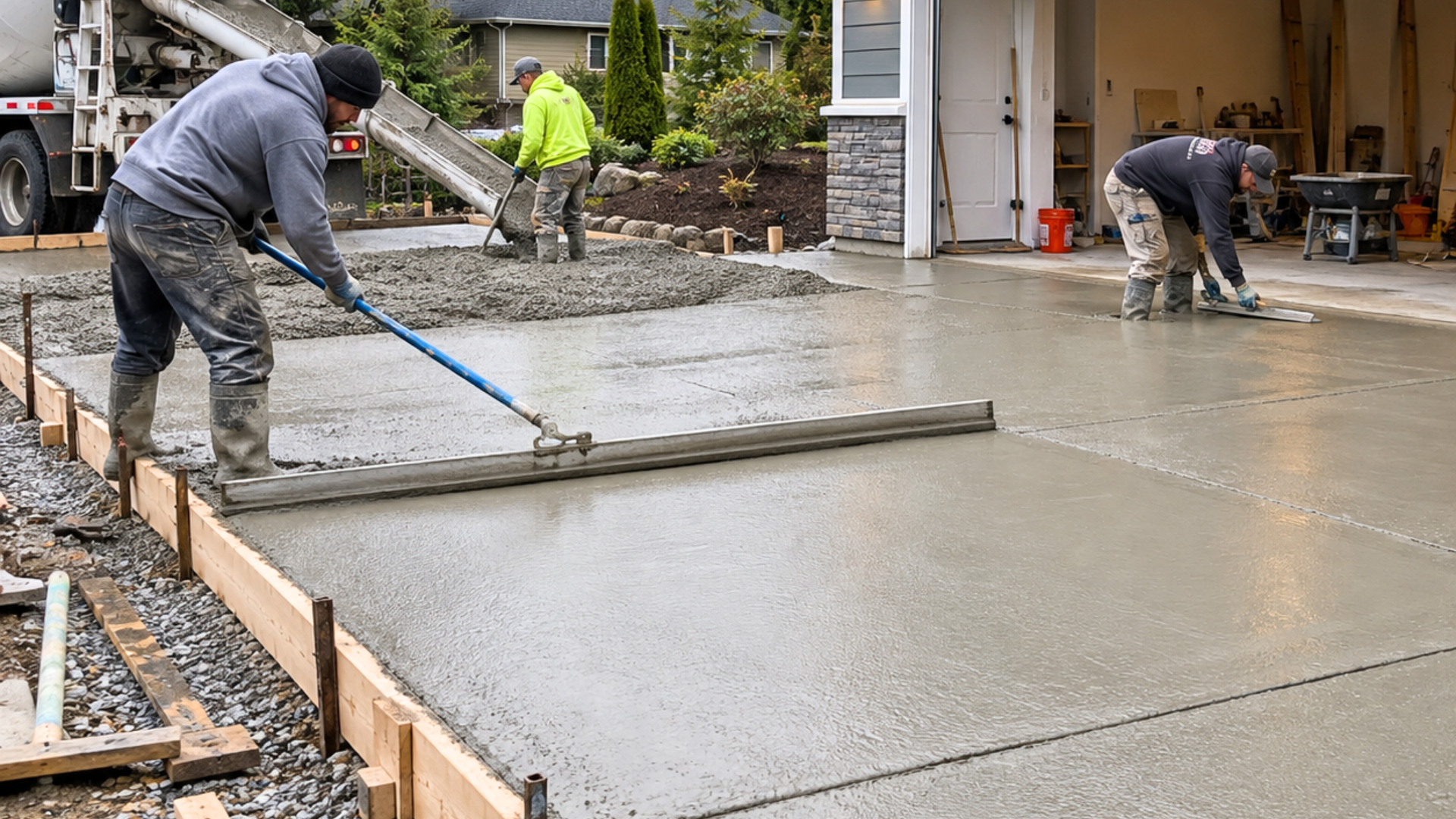
Crew pouring a concrete driveway during installation at a Silverdale WA home
October 14, 2026
How long does a concrete driveway take to install in Silverdale, WA? See the full timeline from prep to pour to cure, and when you can finally drive on it.
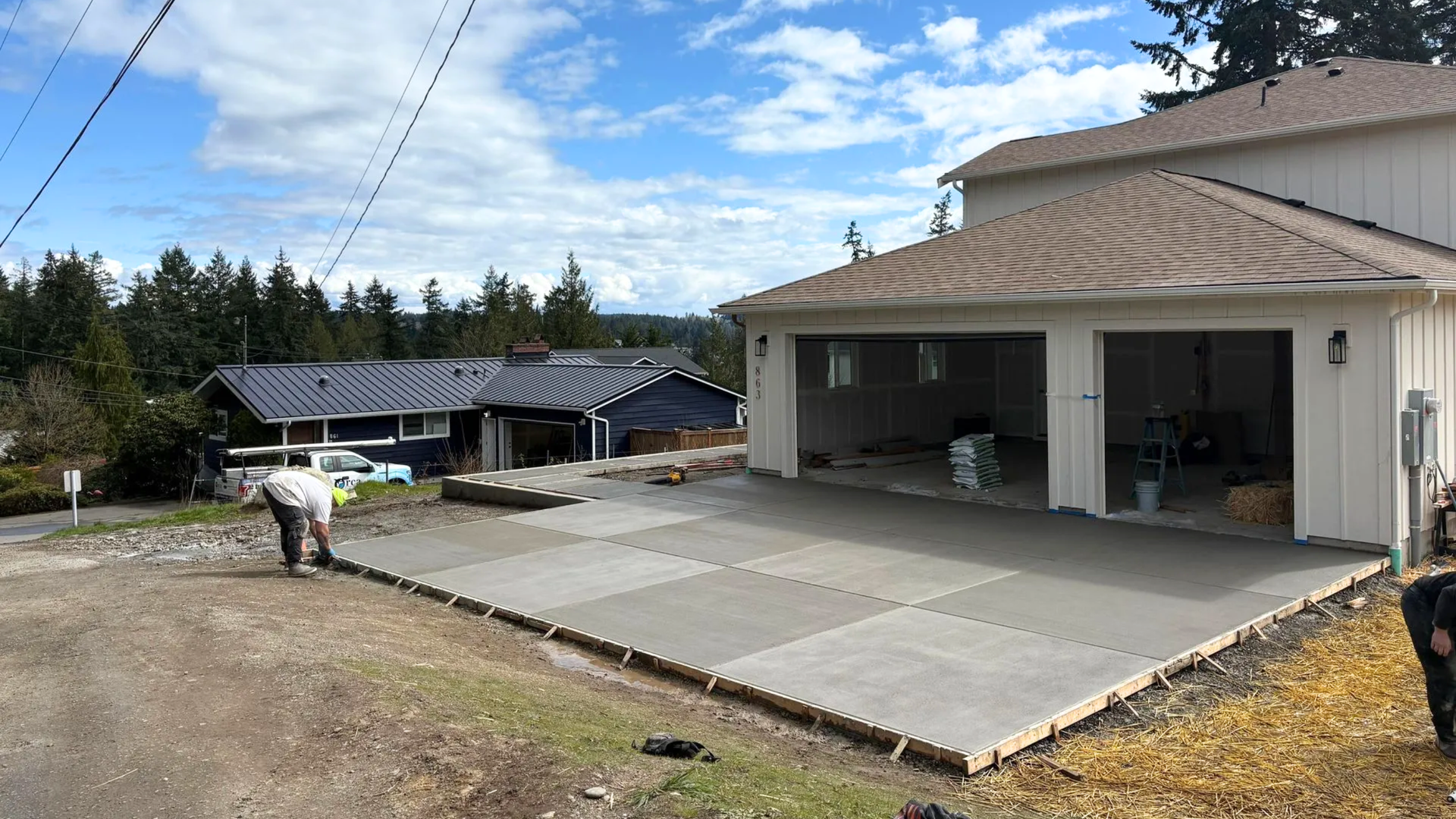
Freshly poured concrete slab foundation for a garage at a Silverdale WA property
September 15, 2026
A guide to concrete foundations in Silverdale, from slab types and cost factors to what to expect for garage, shed, and outbuilding slabs in Kitsap County.
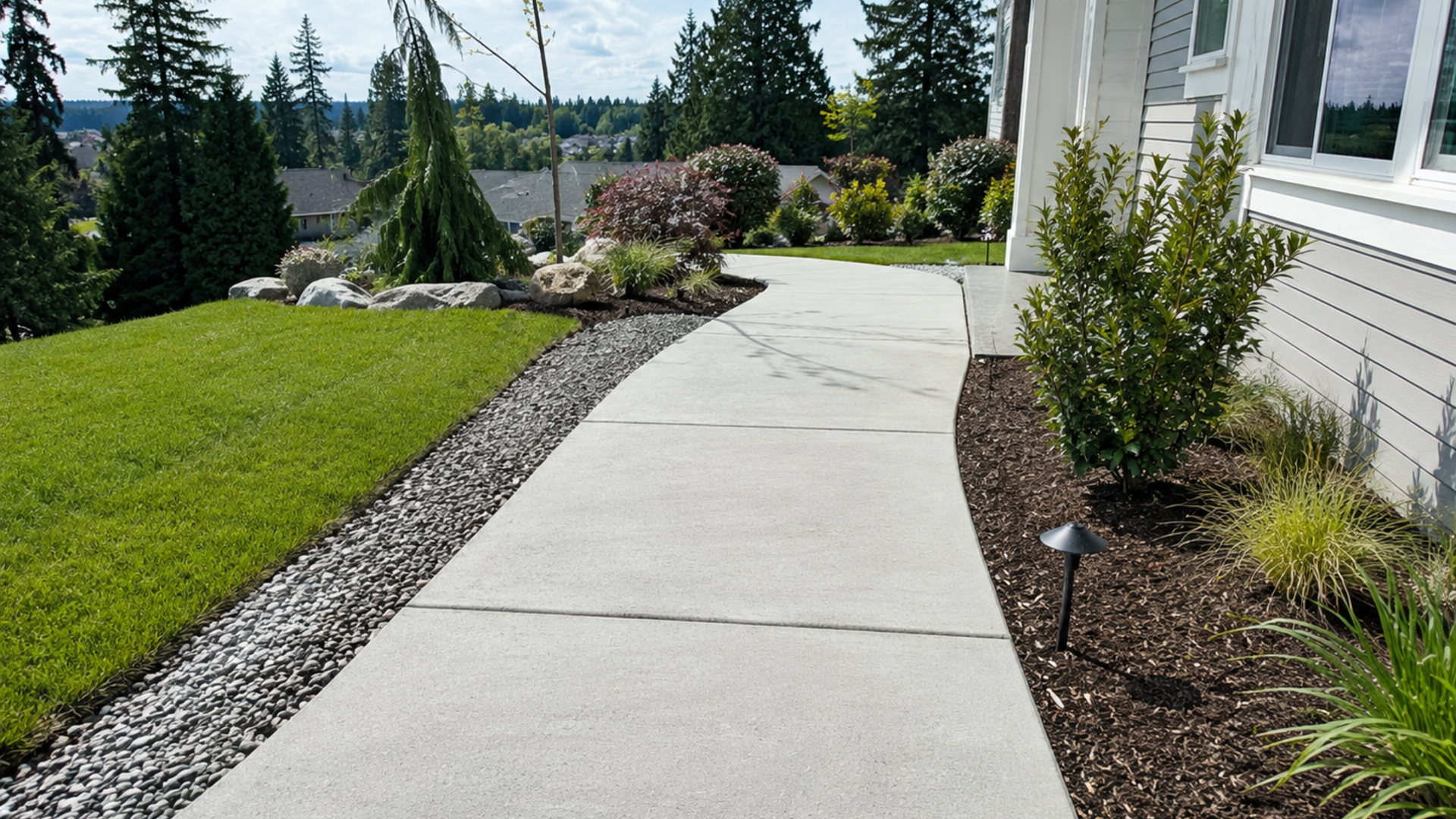
New broom-finish concrete walkway leading to a front entry at a Silverdale WA home
August 21, 2026
See concrete walkway cost in Silverdale, plus design options, code and permit basics, and what affects pricing for sidewalks and paths in Kitsap County.
New residential concrete driveway at a Silverdale WA home subject to Kitsap County permit rules
August 11, 2026
Do you need a permit for concrete work in Silverdale, WA? Learn which projects require a Kitsap County permit, which are exempt, and how to stay compliant.
Fresh concrete pour protected by a cover during winter at a Silverdale WA home
July 23, 2026
Can you pour concrete in winter in Washington? Learn the rain and temperature rules, how wet weather affects curing, and how to protect a winter pour.
Freshly poured concrete sidewalk at a Silverdale WA home during dry summer weather
July 6, 2026
Learn the best time of year to pour concrete in Washington. See how temperature, rain, and curing affect your project and when to schedule your pour.
New residential concrete patio in Silverdale WA with clean finish and backyard outdoor living space
June 2, 2026
See concrete patio cost in Silverdale WA, including pricing by size, finish options, drainage factors, and what homeowners should expect.
Large residential home with a newly installed concrete driveway in Washington
May 6, 2026
See average concrete driveway cost per square foot in Washington, including replacement, decorative finishes, and factors that affect pricing.
New residential home with a freshly installed concrete driveway in a suburban neighborhood
April 20, 2026
See concrete driveway replacement costs in Washington, including demolition, materials, and labor. Learn what affects pricing before you get a quote.
Concrete driveway installation in progress at a residential home in Silverdale WA
March 24, 2026
Step-by-step guide to concrete driveway installation in Silverdale WA. Understand preparation, pouring, curing, and what impacts long-term performance.
More Posts