The Two Halves of the Timeline
It helps to separate the work you can see from the wait you cannot.
The active build is a few days of crew labor.
The cure is a longer, mostly hands-off stretch where the slab quietly gains strength.
Most homeowners focus only on the first half and are surprised by the second. The table below lays out both, from demolition through full strength, so you can see the whole picture at once.
Keep in mind these are typical ranges for a standard residential driveway in good weather. Your project can move faster or slower depending on size, site access, and the season.
The Active Build: A Few Days of Work
The visible construction is the shorter part of the timeline. For a standard residential job, the crew is usually on site and working across several days, not weeks. Each stage sets up the one after it, so none can be rushed without hurting the result.
Prep and Demolition
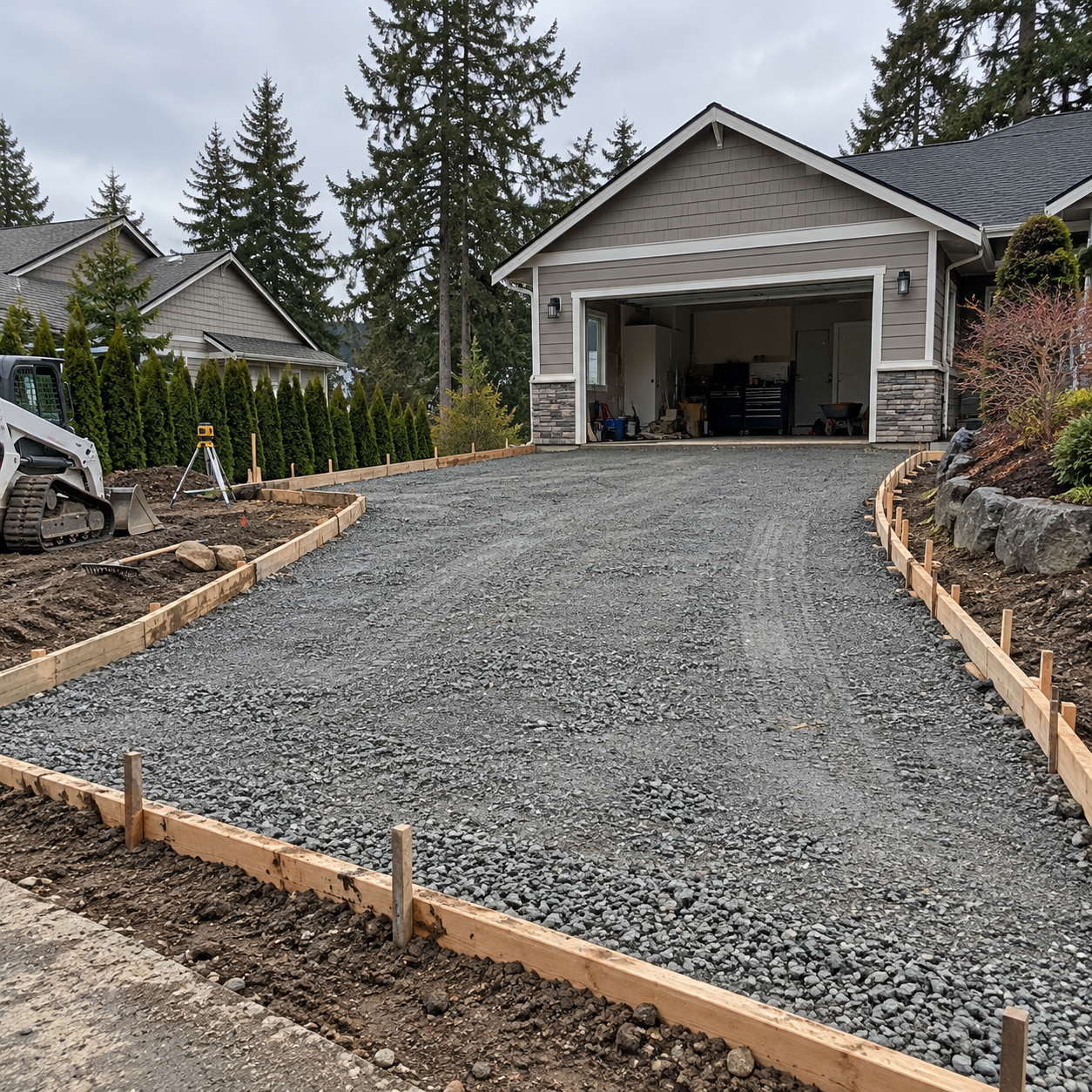
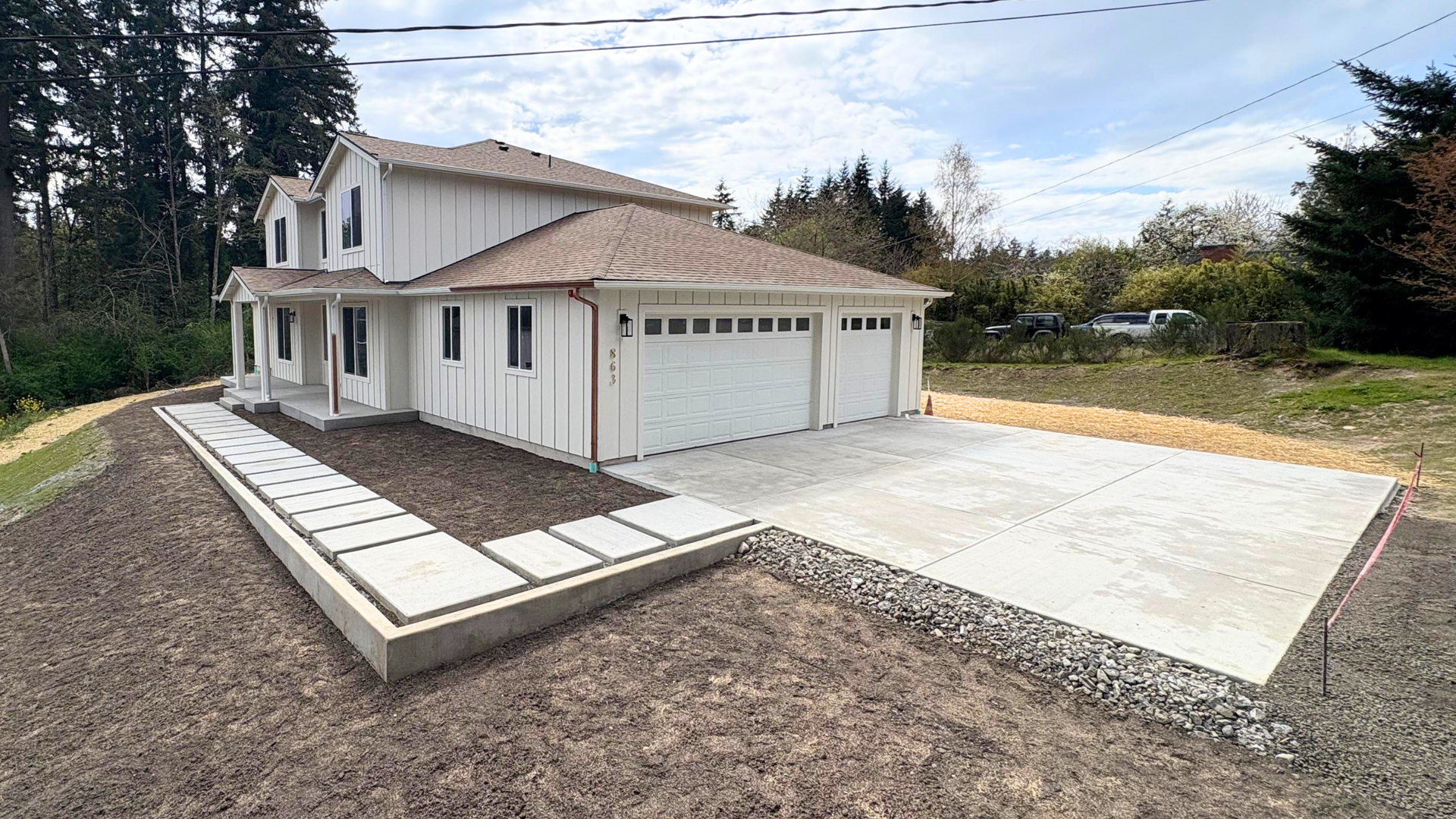
If you have an old driveway, it comes out first. The crew removes the existing surface, then excavates to the right depth for the new slab. This stage can stretch if there is a lot of material to haul away or if access to your property is tight.
The ground then gets graded and a compacted gravel base goes in. This base work is the most important part of the whole build, since it determines whether the finished slab stays level or settles. A good crew does not cut corners here.
Forming and Pouring
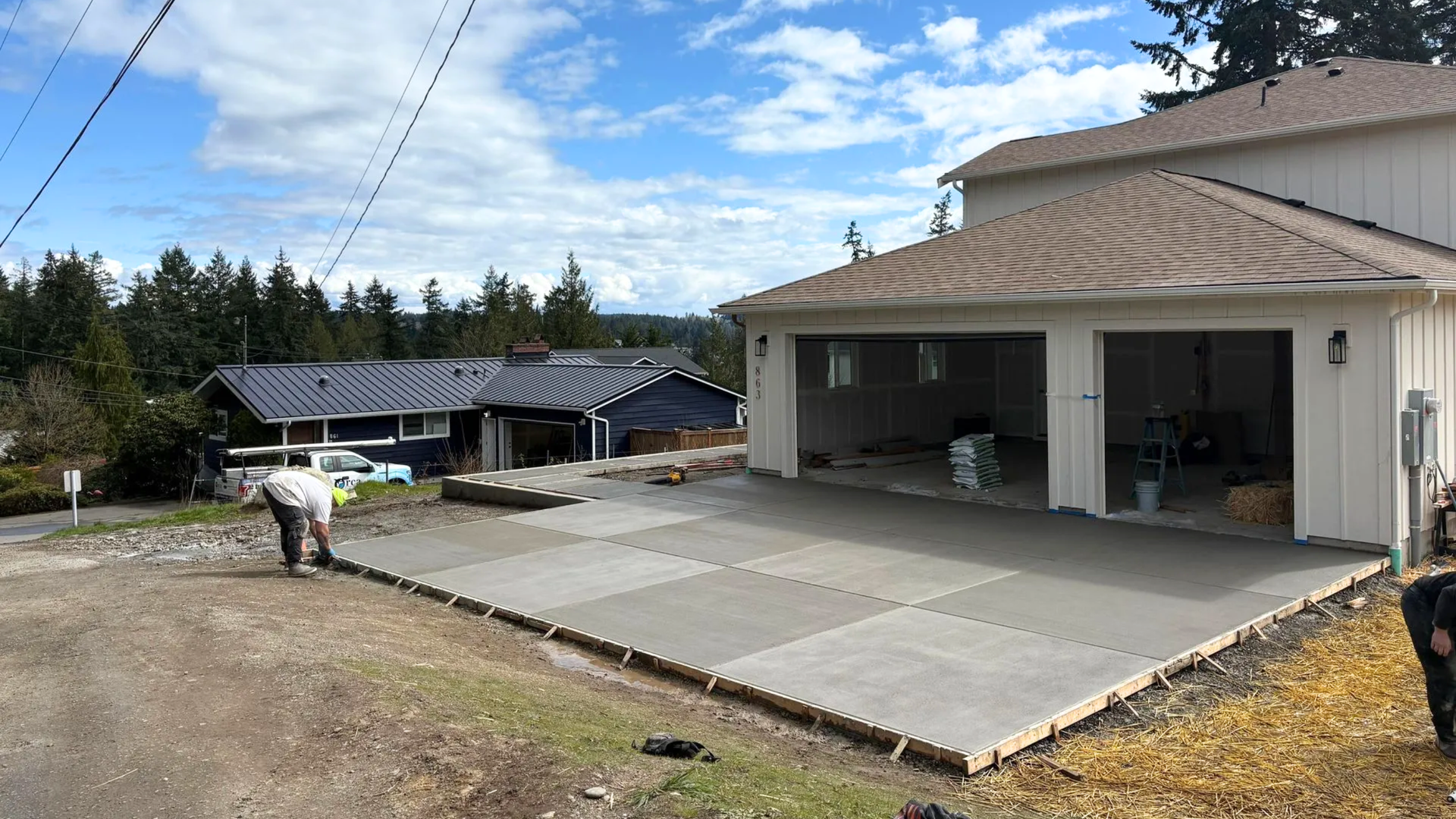
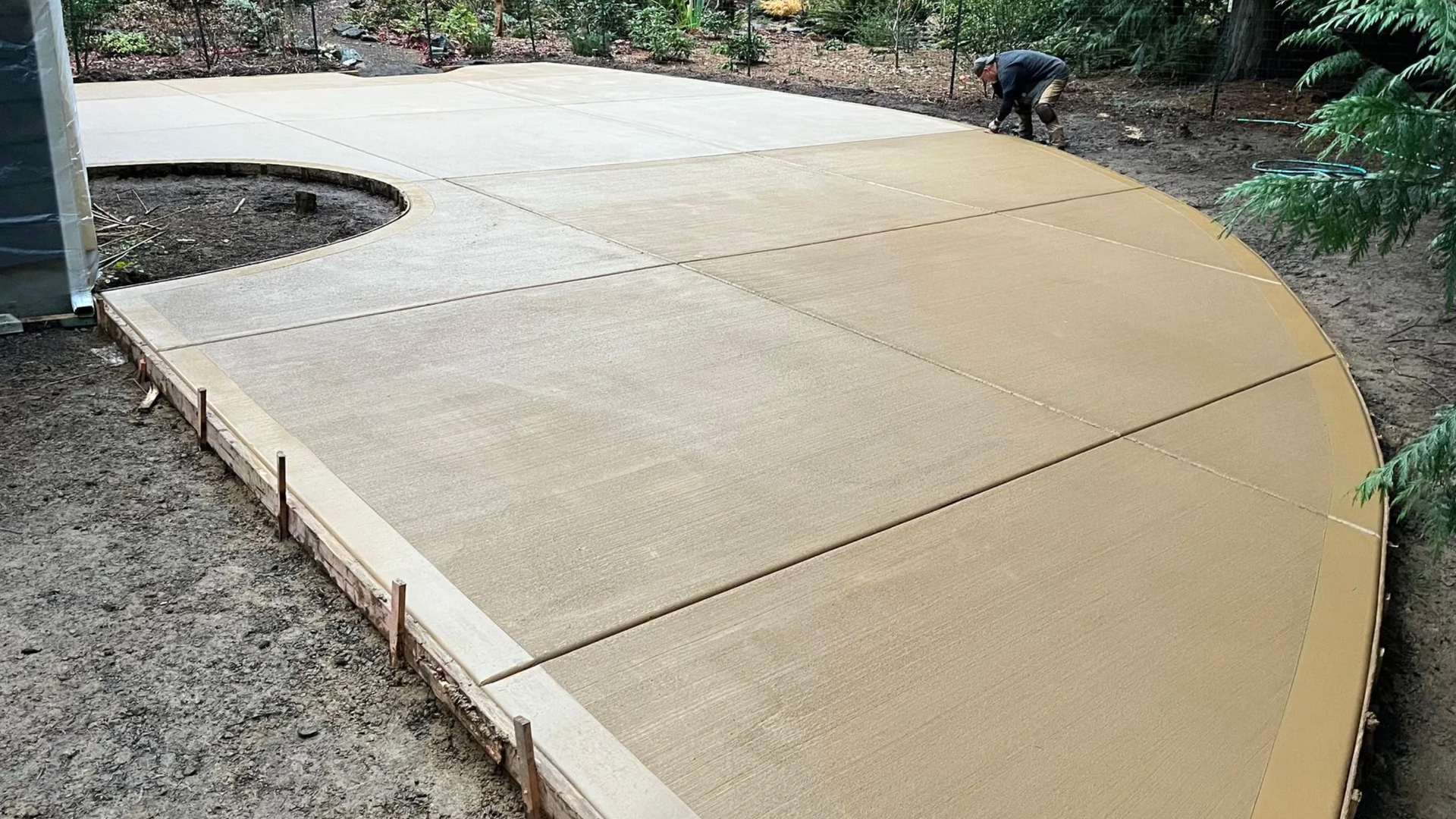
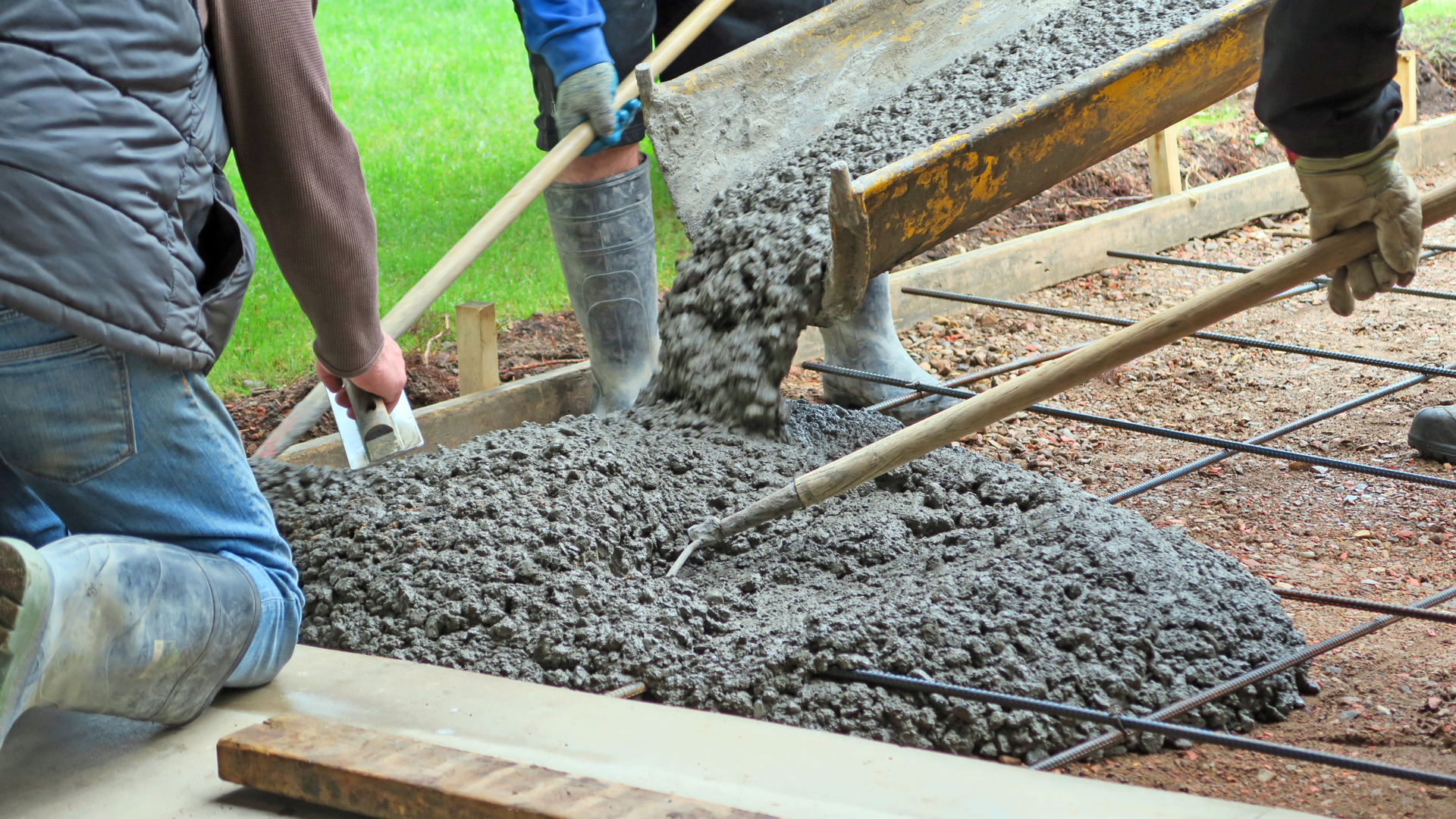
Next, the crew builds the forms that shape your driveway and places any reinforcement. Pouring the concrete itself is often the fastest single step, sometimes just a few hours for a standard driveway. The finishing work that follows, smoothing and texturing the surface, takes real skill and care.
For a full walkthrough of each of these construction stages, see our guide to the
concrete driveway installation process in Silverdale WA. It covers what happens at every step in detail.
The Cure: Where Patience Pays Off
Here is the part people underestimate. Once the pour is done, the concrete is far from ready. Curing is the chemical process that builds the slab's strength, and it runs on its own clock no matter how eager you are to use the driveway.
The milestones in the table show when the surface can handle foot traffic, then vehicles, then full loads. The reason the wait matters is strength. Concrete reaches only part of its final strength in the first week, which is why driving too soon risks cracks that shorten the life of the whole slab. Industry standards from the
American Concrete Institute back these curing windows. Waiting the full period is the cheapest insurance you will ever buy for a driveway.
READY TO SCHEDULE YOUR DRIVEWAY?
How Our Wet Climate Affects the Schedule
A national timeline assumes cooperative weather, which our region does not always provide. Local conditions can stretch a project out, and planning around them is part of hiring well.
Two factors matter most here:
- Rain during the pour.
Heavy rain on fresh concrete can wash out the surface, so crews schedule around the forecast and may wait for a dry window. In our wet months, that can push your start date.
- Cold slowing the cure. Concrete cures best in milder temperatures, and cold snaps make it gain strength more slowly. A pour in the depths of winter may need longer protection before it is ready.
This is why timing your project well makes a real difference. Our guide to the
best time of year to pour concrete in Washington explains the ideal local window. For larger projects, confirm whether permits apply through the
Kitsap County Department of Community Development, since that step can add lead time before any work begins.
Planning Around the Downtime
The curing wait does not mean your property is unusable the whole time, but it does take planning. Think through where you will park and how you will get in and out while the surface is off limits. A little preparation keeps the project from disrupting daily life.
Talk with your contractor about staging the work too. In some cases the timeline can be arranged so the most disruptive stretch falls when it is least inconvenient for your household. Clear communication up front prevents surprises later.
So, How Long Total?
For a typical residential driveway in good conditions, expect a few days of active work, then a week before you can drive on it, and about a month before it reaches full strength. You can use the surface carefully well before that final milestone, but heavy loads should wait.
The single biggest variable is weather, which is exactly why local experience matters. A crew that knows our seasons can schedule your pour for the smoothest possible run and the strongest finished result.
Frequently Asked Questions
Can I speed up how fast my concrete driveway cures?
Concrete cures on its own schedule, and rushing it weakens the result. In cold weather a crew can use accelerators or warm mixes to keep curing on track, but the core wait for full strength stays about the same. Patience during the cure is what protects the slab for decades.
What happens if it rains right after my driveway is poured?
Light rain after the surface has set is usually fine, but heavy rain on a fresh pour can weaken the top layer. A good local crew watches the forecast and protects the slab with covers if needed. This is a bigger concern here than freezing, which is why timing the pour matters.
Can I park on just part of the driveway sooner?
It is best to stay off the whole slab until it is ready, and the edges are the weakest part early on. Parking near an edge too soon can cause cracking or chipping. Waiting the full recommended time across the entire surface avoids damage.
Does a bigger driveway take much longer to install?
Size affects the active work more than the cure, since curing time stays similar regardless of square footage. A larger pour takes more prep and finishing labor, but the waiting period before you can drive is roughly the same. Your contractor can give you a timeline based on your specific layout.
Ready to Plan Your Driveway?
A new driveway is worth the wait when it is built right and cured properly. The key is working with a local team that sets honest expectations, schedules around our climate, and never rushes the cure to hit a date. That patience is what gives you a surface that lasts for decades.
If you are ready to map out the timeline for your property, we would be glad to help.
Request a free estimate from Pacific Roots Concrete and get a clear schedule built around your project and our local conditions.
REQUEST A FREE ESTIMATE
CALL US NOW